
May 7, 2026
Gym Flooring in South Africa: A Real Customer Project from Cape Town
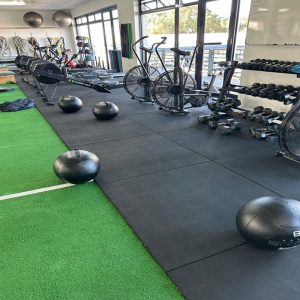 Choosing the right gym flooring South Africa makes the difference between a comfortable workout and constant frustration. A customer in Cape Town experienced this firsthand. Their existing gym was already fully set up, but the flooring was no longer meeting their expectations.
While searching for the right gym floor, they decided to upgrade to durable 20 mm rubber gym tiles. In this blog, you will learn how this customer solved their flooring issues and what to consider when choosing gym flooring.
The Challenge: Wear, Noise and Lack of Protection
The gym was already in full use, but the existing floor could not handle the demands of heavy equipment and dumbbells. Over time, several issues became clear.
The main challenges were:
- Fast wear under heavy loads
- Insufficient protection of the subfloor
- Noise from dropped weights
- Risk of damage to equipment
There was also an important additional factor. The gym had neighbours below. Reducing noise and vibration caused by heavy impacts became a key requirement, especially in urban gym flooring projects in South Africa.
Why 20 mm Rubber Gym Tiles Were Chosen
The customer needed a flooring solution that offered both protection and noise reduction. That is why they selected 20 mm rubber gym tiles as their preferred gym flooring solution.
Maximum shock absorption
The 20 mm thickness absorbs impact from dropped weights effectively. This helps prevent damage to both the floor and the equipment, which is essential for professional gym flooring setups.
Noise reduction
Rubber naturally reduces sound and vibration. This was essential to minimise disturbance for the neighbours below and is one of the main reasons why rubber is widely used in gym flooring across South Africa.
Durability under heavy use
Rubber gym tiles are designed for intensive use. Even under heavy machines and dumbbell racks, they remain stable and wear-resistant, making them ideal for long-term gym flooring installations.
Installation and Results
This project shows how the right gym flooring solution can immediately improve both performance and comfort in a professional environment.
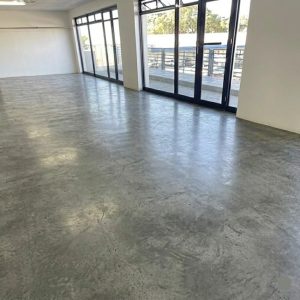
The installation process was quick and straightforward. The tiles were placed directly on the existing surface without major adjustments.
The result:
- A clean and professional finish
- Immediate reduction in noise levels
- Improved protection of the subfloor
- More confidence during training
The customer noticed a clear difference right away, especially in sound reduction. For gyms looking to upgrade their gym flooring, this type of solution offers immediate benefits.
What to Consider When Choosing Gym Flooring
If you are planning to upgrade or install a gym floor, keep the following points in mind:
Floor thickness
For light training, thinner flooring may be sufficient. For heavy lifting, choose at least 15–20 mm to ensure proper protection.
Type of use
A home gym requires a different setup than a commercial gym. The intensity of use determines the best gym flooring solution.
Subfloor condition
Make sure the surface is level and stable before installation to avoid long-term issues.
Noise reduction
If your gym is located above other spaces, rubber flooring is usually the best choice for reducing sound and vibration.
Which Gym Flooring Is Right for Your Space in South Africa?
If you are comparing gym flooring South Africa options or looking for reliable gym flooring solutions in South Africa, rubber tiles are one of the most durable long-term choices.
Rubber gym tiles are one of the most popular solutions for both home gyms and commercial facilities. They combine durability, safety and comfort in one product.
Explore our full range in the gym flooring products category and find the right solution for your setup.
FAQ
Q1: What is the best gym flooring?
Rubber is often the best option. It provides grip, shock absorption and protection against impact.
Q2: How thick should gym flooring be?
For heavy lifting, 20 mm tiles are recommended. For lighter use, 15 mm can be sufficient.
Q3: Does gym flooring reduce noise?
Yes, rubber gym flooring reduces both noise and vibration, making it ideal for gyms with neighbours nearby.
Not sure which gym flooring suits your space? Contact our customer service for tailored advice.