Speed bumps and speed humps are essential traffic calming solutions used to reduce vehicle speed and improve safety. These traffic calming solutions help control traffic flow in parking areas, residential zones and commercial environments. As a result, you create a safer space for both drivers and pedestrians.
While speed bumps and speed humps are often used interchangeably, they have slightly different functions. Speed bumps are typically shorter and more aggressive, forcing vehicles to slow down significantly. Speed humps are longer and provide a smoother transition, making them ideal for areas with consistent traffic flow.
Looking to improve overall safety across your site? Explore our full range of safety products for complete protection.
Types of Speed Bumps and Speed Humps
This category includes modular rubber speed humps as well as a complete portable system. Each type is designed for specific traffic control needs.
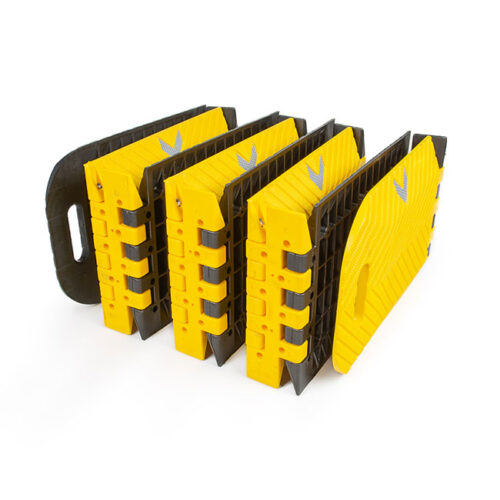
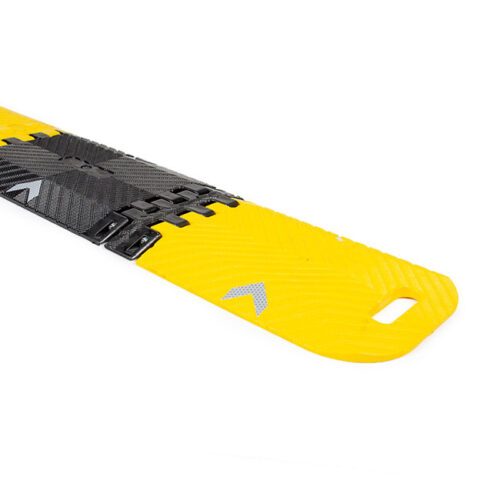
Portable speed bumps offer a flexible solution for temporary or mobile use. You can install and remove them easily, which makes them ideal for events, construction zones or temporary traffic control.
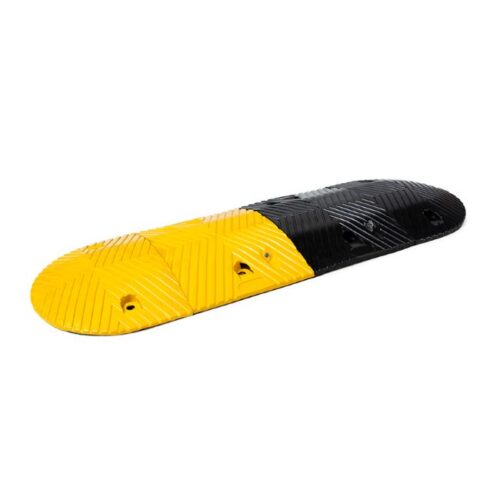
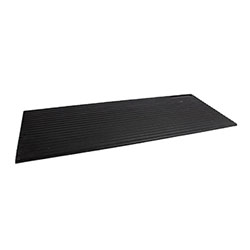
Modular systems consist of middle sections and end caps. These allow you to build a custom rubber speed humps layout based on your required width and traffic conditions.
For modular installations, start and finish with a speed hump end & middle sections for a complete and safe setup.
Benefits and Applications of Speed Humps and Traffic Control Solutions
Rubber speed bumps and humps provide an effective way to manage vehicle speed. Because they create a physical barrier, drivers are forced to slow down. As a result, you reduce accidents and improve overall safety.
In addition, the rubber construction absorbs impact and reduces noise compared to concrete alternatives. This makes them suitable for both residential and commercial environments.
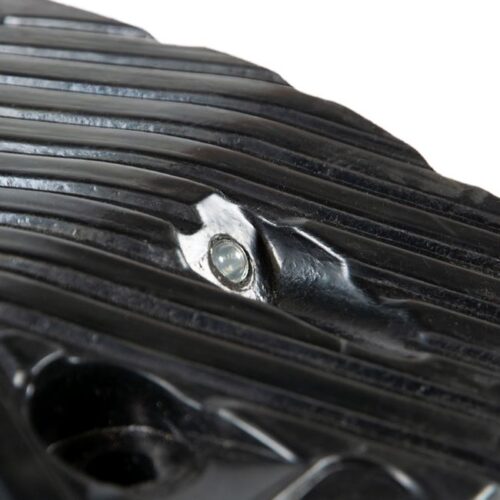
The reflective “cat eyes” in the middle sections improve visibility in low-light conditions. Therefore, drivers can clearly see the speed hump even at night.
Applications
- Parking lots and garages
- Residential streets and estates
- Commercial premises and warehouses
- Schools, hospitals and pedestrian zones
- Construction sites and temporary setups
To guide vehicles into the correct position, combine with wheel stops.
To prevent vehicles from rolling when stationary, use a rubber wheel chock for added safety.
Why Choose Rubber Speed Bumps
Rubber speed bumps offer a durable and cost-effective traffic control solution. Unlike concrete, rubber is flexible and resistant to cracking. Therefore, it performs better under repeated vehicle impact.
In addition, rubber speed humps are easier to install. Most designs include pre-drilled holes, allowing quick installation on different surfaces. As a result, you save time and reduce installation costs.
Because of their high visibility design and modular structure, they are suitable for both temporary and permanent use.
FAQ
Q1: What is a speed bump?
They are a raised traffic control device designed to slow vehicles down quickly. It is commonly used in parking areas and private roads.
Q2: What is the difference between speed bumps and speed humps?
Speed bumps are shorter and force vehicles to slow down more aggressively. Speed humps are longer and provide a smoother speed reduction.
Q3: How long do rubber speed bumps last?
They are highly durable and resistant to wear. With proper installation, they can last for many years.
Q4: Where should speed bumps be installed?
They are typically installed in parking areas, residential streets, commercial zones and any location where speed control is required.
Not sure which one fits your situation best? Contact our customer service for expert advice.