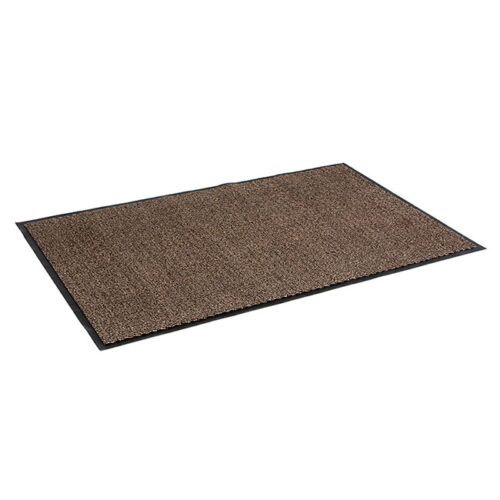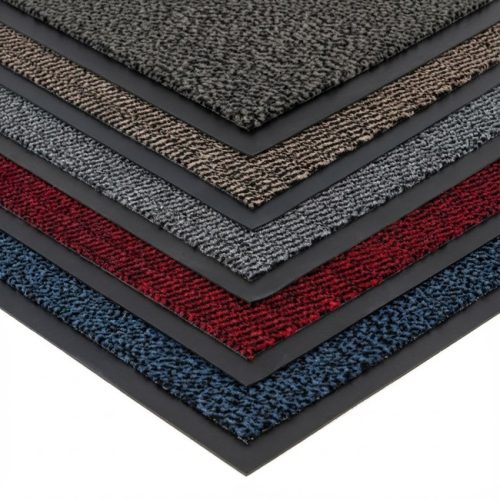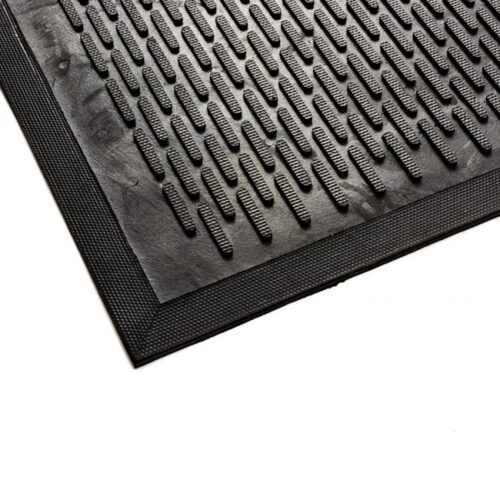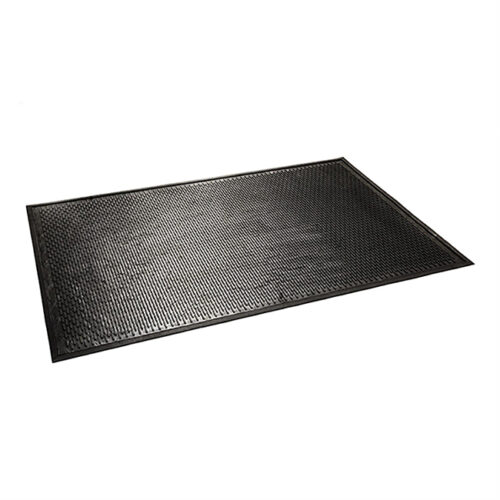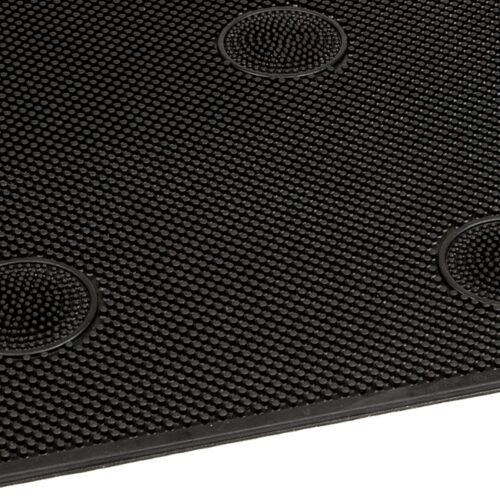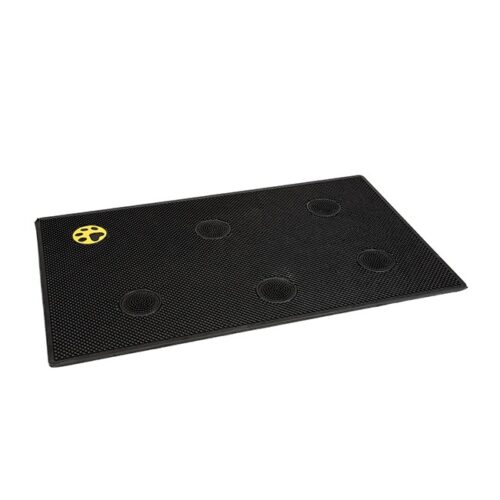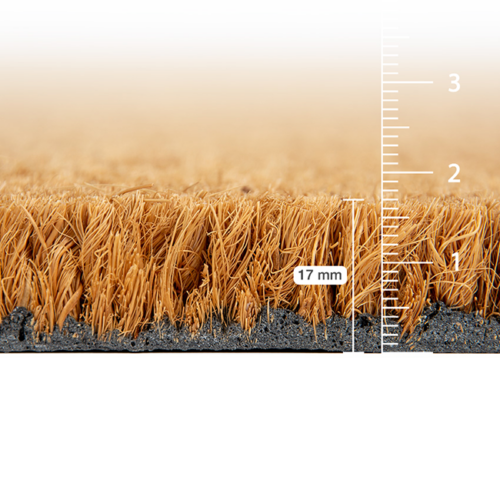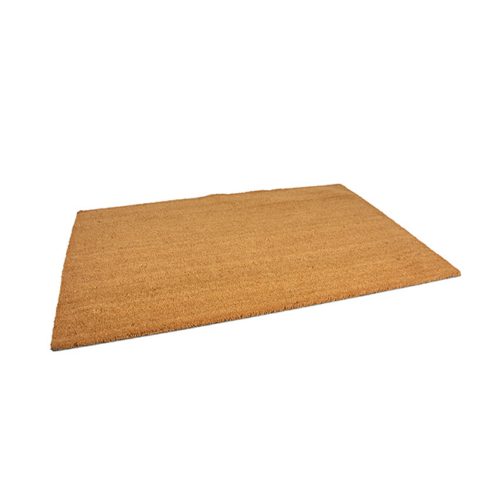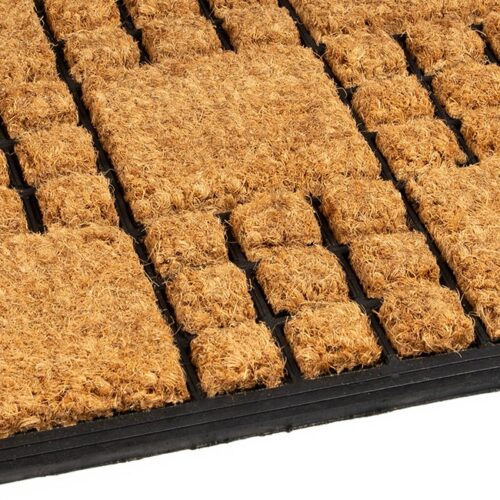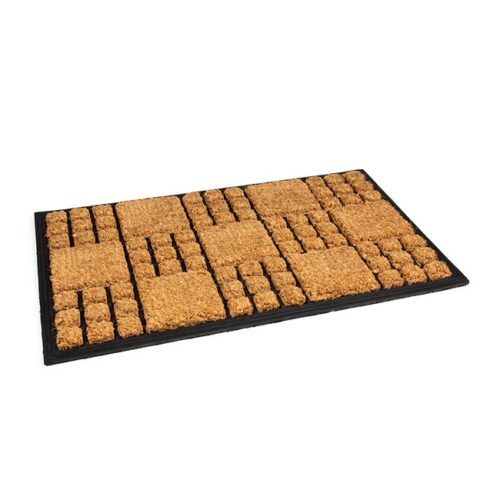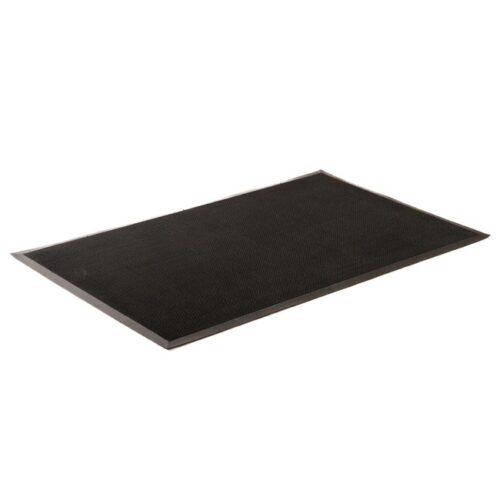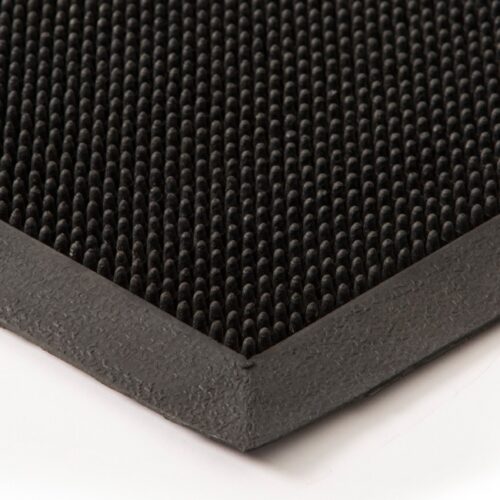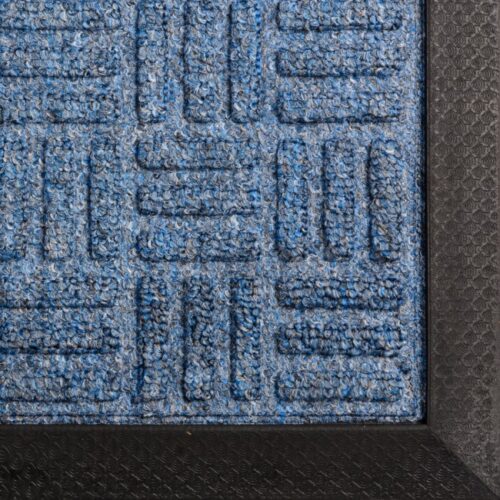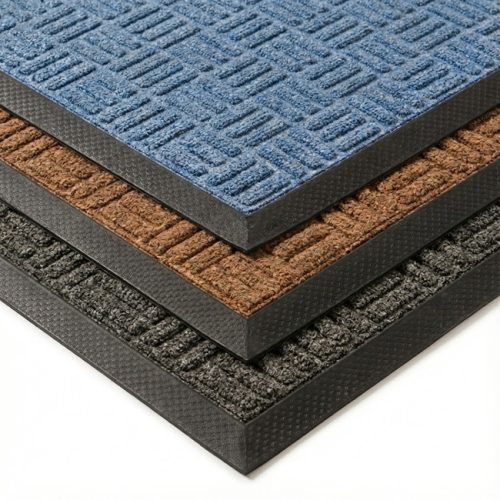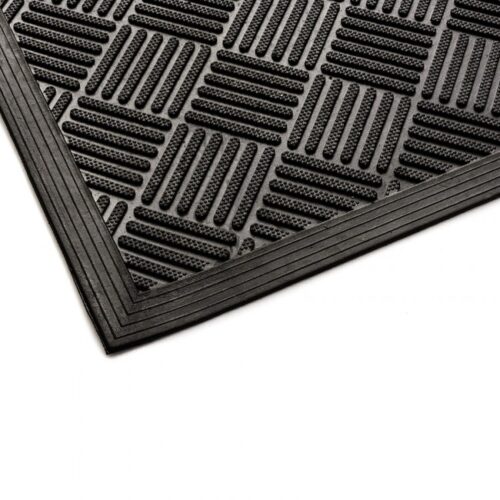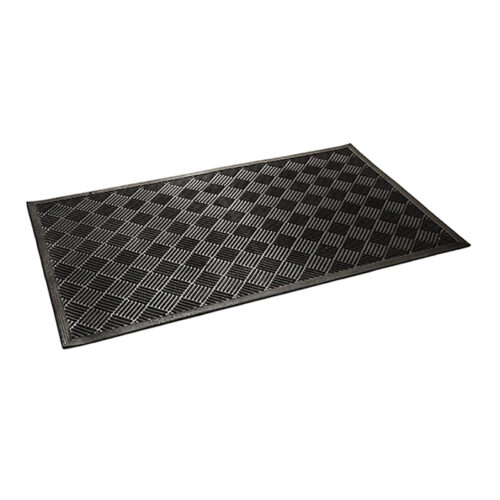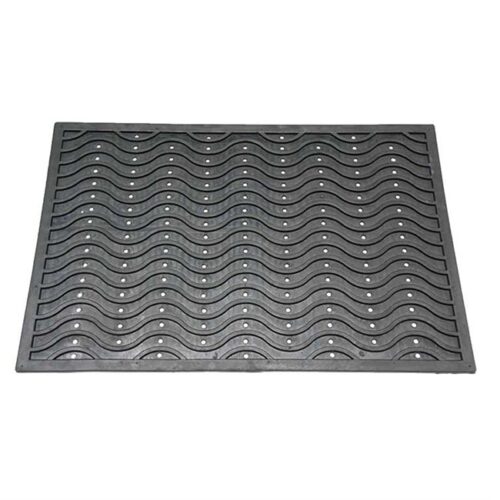
Entrance mats play a key role in keeping indoor spaces clean, safe, and comfortable. From the moment someone enters a home or building, they create the first line of protection. By trapping dirt, moisture, and debris at the door, they actively protect the floor underneath. As a result, the risk of slipping decreases and interior spaces stay cleaner for longer. Therefore, they are an essential solution for everyday use in both residential and light commercial environments.
At RubberOnline, you find a wide range of matting solutions for different entry points and conditions. For example, some options suit indoor doorways, while others perform better outdoors. In each case, the right choice improves hygiene and safety. At the same time, it helps extend the lifespan of your floors.
In addition, these solutions come in different materials, surface structures, and formats. Each type serves a clear purpose. Some focus on absorbing moisture, while others emphasise durability and grip. Because foot traffic and location vary, selecting the right option depends on where it will be used and how intensively it needs to perform.
Characteristics
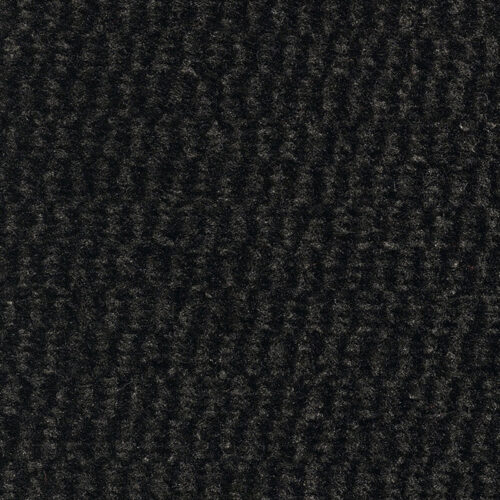
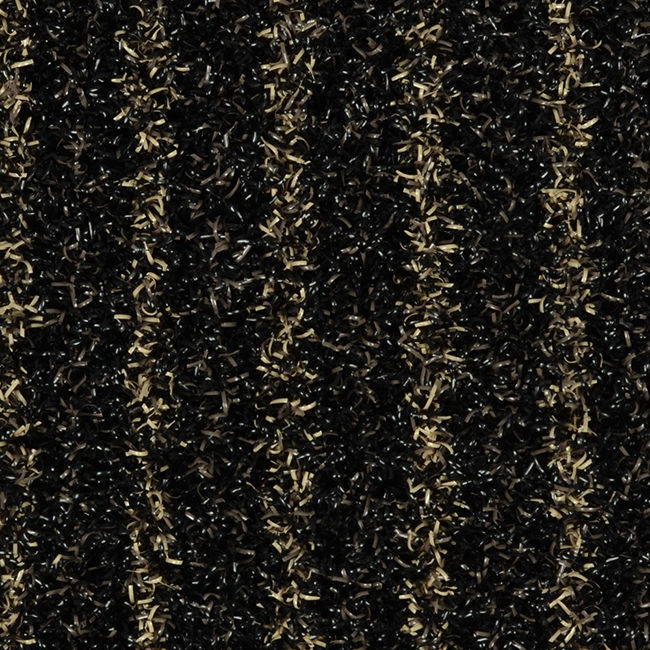
These mats actively manage dirt and moisture while creating a stable and safe walking surface. Their performance relies on a smart combination of material choice and surface design. As a result, they deliver consistent results in both residential and commercial entrance areas.
Key characteristics include:
- Effective dirt and moisture control at entry points
- Anti-slip surfaces that improve safety
- Durable construction for regular foot traffic
- easy placement with simple maintenance
- suitability for both indoor and outdoor use
Indoor versions primarily focus on absorbency and comfort. They capture moisture from shoes and help keep interior spaces dry and clean. In contrast, outdoor versions offer a more robust construction. They withstand weather exposure and remove coarse dirt before it enters the building.
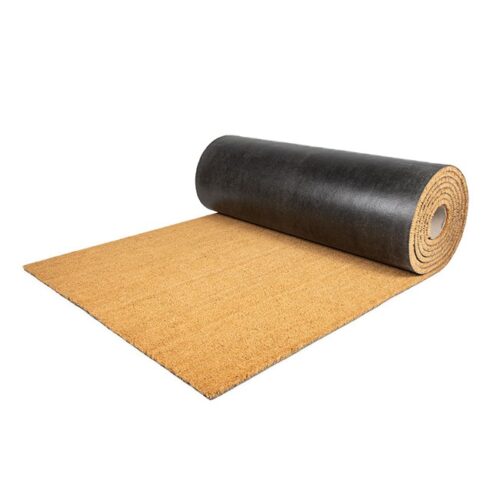
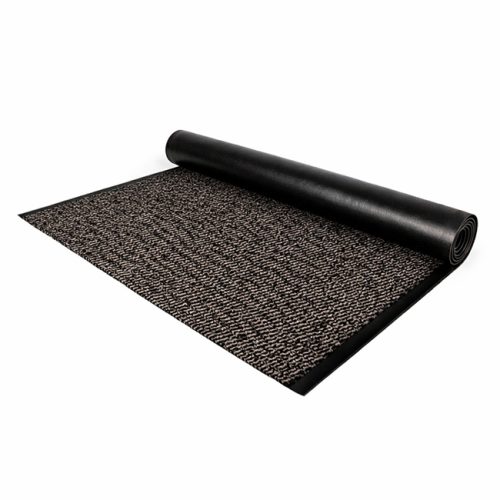
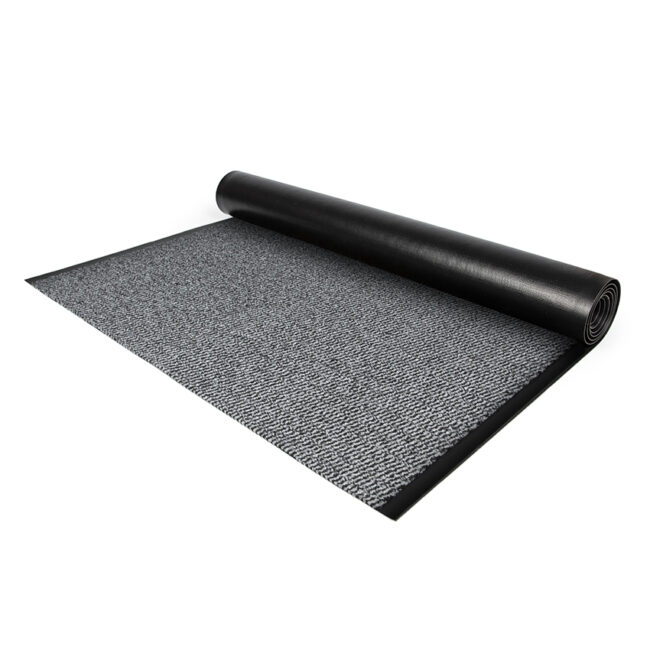
In addition, some solutions are supplied on a roll. This makes them ideal for wider entrances or custom lengths. As a result, you can cover larger areas seamlessly and without visible joints.
Applications
These products are used in a wide range of everyday settings. Each application benefits from a specific type of matting.
Common applications include:
- front doors and entryways at home
- apartment buildings and shared entrances
- offices and small commercial spaces
- covered outdoor entrances and patios
- transitional areas between outside and inside
For interior spaces, indoor entrance mats help maintain cleanliness and comfort. They are ideal for hallways and entrance zones where moisture control is important. You can view dedicated indoor solutions in the Indoor Entrance Mats category.
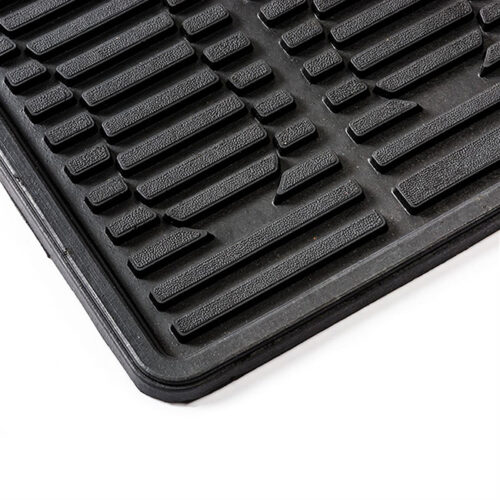
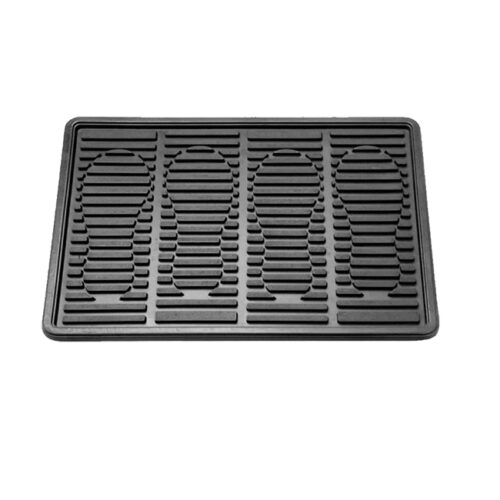
For exterior use, outdoor entrance mats provide strong scraping action and grip. They perform well in changing weather conditions and help reduce dirt before it reaches indoor floors. Suitable options can be found in the Outdoor Entrance Mats category.
For wider entrances or continuous coverage, entrance matting supplied on a roll offers a practical solution. These products allow for flexible sizing and seamless installation. More information is available in the Entrance Mat on Roll category.
FAQ
Q1: What are entrance mats used for?
They are used to trap dirt and moisture at entry points. This helps keep floors clean, reduces slip risks, and protects interior surfaces.
Q2: Can they be used outdoors?
Yes. Many options are designed specifically for outdoor use and can handle weather exposure while maintaining grip and durability.
Q3: What is the difference between indoor and outdoor options?
Indoor solutions focus on moisture absorption and comfort. Outdoor versions are more rugged and designed to remove coarse dirt and withstand outdoor conditions.
Q4: Are they suitable for home use?
Yes. They work well at front doors, back doors, and utility entrances where dirt and moisture are common.
Q5: How do I choose the right option?
Consider where it will be placed, how much foot traffic it will receive, and whether it needs to handle moisture or heavy dirt.